
A household growing guide
Growing Your Own Food
Published
From a growing space to something good to eat.
Build a productive food garden, from the first bed to the kitchen table. Illustrated references cover 31 crop groups and the everyday decisions that help them thrive: choosing varieties, starting seeds, caring for soil and managing growing problems.
Chapter details
About editions & formats- Publication format
- PDF reference sheets
- Publication language
- English
- Paper size
- A4 · 210 × 297 mm
- Chapter extent
- 40 sheets · 80 pages
- Availability
- Complete free sample available
Inside the complete chapter
40 references to grow with.
31 crop groups and nine garden guides. Every sheet is two-sided and stands on its own. Try Tomato below as one complete free sample.
Garden foundations9 sheets
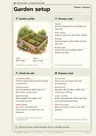
Garden setup
Choose a growing space and prepare beds or containers.
Seeds & sowing
Start seeds and help young plants become established.
Watering & soil care
Understand moisture, everyday care and the growing bed.
Seasonal planning
Fit planting and harvest into your local growing season.
Choosing crops
Choose varieties for your space, growing season and available care.
Plant diseases
Observe symptoms, reduce disease pressure and choose a response by cause.
Garden insects
Identify feeding damage and protect crops while keeping useful insects.
Weather & soil stress
Separate moisture, heat, cold and soil stress before changing care.
Wildlife protection
Read damage clues and maintain noninjuring barriers around food crops.
Roots & bulbs8 sheets
Beets
Sow, thin and lift tender roots while keeping leaves usable.
Carrot
Guide roots from sowing and thinning to harvest.
Garlic
Plant clean cloves, judge maturity and cure sound bulbs for storage.
Leeks
Raise sturdy transplants and build long, usable blanched stems.
Onions
Match bulb formation to day length and cure mature onions.
Potato
Care for your crop and make informed harvest and storage decisions.
Radishes
Thin spring roots and distinguish longer-season storage types.
Sweet potatoes
Establish slips in warm soil and lift storage roots before frost.
Greens & brassicas9 sheets
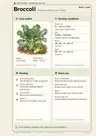
Broccoli
Grow firm heads and gather side shoots after the first cut.
Brussels sprouts
Allow a long cool season and pick firm sprouts from the stem.
Cabbage
Build a firm head and check for root damage or splitting.
Cauliflower
Support even growth and harvest a compact, tender flower head.
Leafy greens
Compare kale, collards, mustard and pac choi for leaf or head harvests.
Lettuce
Choose leaf or head types and manage heat, spacing and harvest.
Salad greens
Grow labeled lettuces and arugula for tender leaf harvests.
Spinach
Use cooler conditions to grow tender leaves and manage bolting.
Swiss chard
Thin crowded seedlings and keep outer-leaf harvests growing.
Fruiting crops9 sheets
Cucumbers
Support vines, allow pollination and pick fruit at useful sizes.
Eggplant
Start in warm soil and gather tender fruit before seeds mature.
Melons
Grow healthy vines and distinguish melon from watermelon ripeness.
Okra
Plan for warmth and gather pods before they become fibrous.
Peppers
Support plants and choose green or fully colored harvests.
Pumpkins
Allow room for vines and gather mature fruit from food varieties.
Summer squash
Pick young fruit often and check pollination when shapes differ.
Tomato Free sample
Follow a crop from planting through harvest and safe use.
Winter squash
Let edible varieties mature and choose sound fruit for storage.
Pods & stalks5 sheets
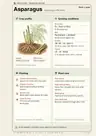
Asparagus
Establish a perennial bed and gather spears without weakening crowns.
Beans
Choose bush or climbing snap beans and pick tender pods.
Southern peas
Grow warm-season cowpeas for fresh seeds or dry storage.
Sweet corn
Plant a pollinating block and judge kernels before picking.
Garden peas
Grow edible garden peas and match harvest to the chosen type.
 Garden setup
 Asparagus
 Broccoli
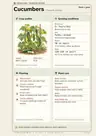 Cucumbers
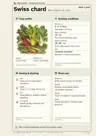 Swiss chard
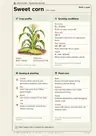 Sweet corn
One complete free sample
Try the Tomato reference.
Read both sides of one complete sheet to see how the illustrations, short steps and practical details work together.
Read this sheet as text
Crop profile
- Season
- Warm season
- Edible part
- Fruit only
Use labeled cultivated seed or plants.
Growing conditions
- Direct sun
- 6+ hours/day · 8-10 hours preferred.
- Soil
- Loose + well drained · Mix in mature compost.
- Staked vines
- 60-90 cm apart · 24-36 in; allow airflow.
- Caged plants
- 120+ cm apart · 4 ft+; large cages need space.
Temperate gardens. Adjust for variety and local conditions.
Planting seedlings
- Harden seedlings
- Gradually expose seedlings to outdoor sun and wind.
- Wait for warmth
- Plant after frost risk has passed and the soil is warm.
- Plant deeply
- Remove low leaves; bury bare stem. Keep other leaves above soil.
- Water & support
- Firm the soil gently. Water well. Install a stake or cage.
Water first; protect the root ball.
Plant care
- Water the soil
- Soak the root zone; keep moisture steady.
- Mulch the bed
- Use clean organic mulch to limit weeds and soil splash.
- Support stems
- Tie stems loosely; keep fruit and leaves off the ground.
- Fertilize carefully
- Follow edible-crop fertilizer directions; feed as fruit develops.
Check moisture often in pots and hot weather.
Harvest & ripening
65-90 days from transplant, typically
- Check ripe color
- Pick at the variety's ripe color.
- Pick gently
- Lift or cut free. Avoid bruising fruit or tearing stems.
- Ripen indoors
- Keep mature unripe fruit in one layer at room temperature.
Timing varies. Very immature green fruit may ripen poorly.
Nutrition per serving
Raw tomato · 148 g serving
- Energy
- 27 · kcal
- Carbohydrate
- 5.8 · g
- Fiber
- 1.8 · g
- Protein
- 1.3 · g
- Potassium
- 350 · mg
- Total fat
- 0.3 · g
- Vitamin C
- 20 · mg
- Vitamin A
- 62 · mcg RAE
Rounded values; amounts vary by variety and serving size.
Food safety
- Wash before use
- Rinse under running water; no soap or detergent.
- Clean hands & tools
- Clean hands, knife and board; avoid raw-meat juices.
- Chill cut tomatoes
- 4°C / 40°F or colder. Chill within 2 h; within 1 h above 32°C / 90°F.
- No refrigeration?
- Cut only what you can eat now. Discard cut fruit after these time limits.
Discard rotten or moldy fruit.
Plant problems
- Wilted + dry soil
- Soak the root zone; recheck the soil.
- Wilted + wet soil
- Check drainage. Do not add more water yet.
- Dark, sunken blossom end
- Possible blossom-end rot: keep moisture steady.
- Spotted leaves
- Keep leaves dry. Confirm the cause before treatment.
Symptoms are clues, not a diagnosis. Use only treatments labeled for edible tomatoes.
Free PDF: English · A4 · unpunched. On-screen holes are illustrative; the PDF has no drilling marks.
Useful in the garden. Clear at the kitchen table.
Keep the reference you need beside you, without following a long manual from beginning to end. Garden foundations help you find your starting point; the crop sheets stay useful as plants grow, right through harvesting and safe food handling.
- Format
- 40 sheets · 80 pages · Two-sided
- Sample revision
- 0.0.2 · 2026-10-31
- Growing baseline
- Temperate home gardens
Reference material
Read a little further.
Explore the university and public-agency guidance behind this chapter, including practical growing advice, food handling and nutrition references.
- United StatesUniversity of Maryland Extension
How to Start a Vegetable Garden
Read the reference - United StatesUniversity of Minnesota Extension
Starting seeds indoors
Read the reference - United StatesUS Food and Drug Administration
Selecting and Serving Produce Safely
Read the reference
All chapter sources (163)
- United StatesUniversity of Maryland Extension · Vegetables resource collection
- United StatesUniversity of Maryland Extension · How to Start a Vegetable Garden
- United StatesUniversity of Minnesota Extension · Raised bed gardens
- United StatesUniversity of Minnesota Extension · Soil testing for lawns and gardens
- United StatesUniversity of Maryland Extension · Lead in Garden Soils
- United StatesWisconsin Horticulture / UW-Madison Extension · Growing Vegetables in Containers
- United StatesUniversity of Minnesota Extension · Planting the vegetable garden
- United StatesUniversity of Minnesota Extension · Food safety for flooded fields
- United StatesIowa State University Extension and Outreach · Weed Control in the Vegetable Garden
- United StatesUniversity of Minnesota Extension · Crop and field planning tools for vegetable farmers
- United StatesUniversity of Missouri Extension · Starting Plants Indoors From Seeds
- United StatesUniversity of Minnesota Extension · Starting seeds indoors
- United StatesUniversity of Minnesota Extension · How to prevent seedling damping off
- United StatesIowa State University Extension and Outreach · How to Store Seeds and Test Germination Rates
- United StatesOregon State University / National Pesticide Information Center · Treated Seeds
- United StatesIowa State University Extension and Outreach · Managing the Garden in Extreme Heat
- United StatesIowa State University Extension and Outreach · Watering the Home Vegetable Garden
- United StatesUniversity of Minnesota Extension · Irrigation strategies for vegetables
- United StatesUniversity of Minnesota Extension · Fertilizing and watering container plants
- United StatesIowa State University Extension and Outreach · Fertilizer Rates and Requirements for the Home Garden
- United StatesUniversity of Maryland Extension · Yellowing Leaves on Vegetable Plants
- United StatesUniversity of Florida IFAS Extension · Mulching Herbs, Vegetables and Fruit Trees in the Florida-Friendly Edible Landscape
- United StatesUniversity of Maryland Extension · Vegetable Succession and Companion Planting
- United StatesUniversity of Minnesota Extension · Planting vegetables in midsummer for fall harvest
- United StatesIowa State University Extension and Outreach · How to Protect Plants from Frost and Freeze
- United StatesUniversity of Minnesota Extension · Extending the growing season: start early, end later
- United StatesKansas State University Extension · Growing Transplants for Fall Gardening
- United StatesIowa State University Extension and Outreach · Garden Journaling
- United StatesUniversity of Maryland Extension · Vegetables for the Home Garden
- United StatesUniversity of Maryland Extension · IPM - Prevent, Identify, and Manage Plant Problems
- United StatesUniversity of Maryland Extension · Vegetable Garden Weather and Pest Protection
- United StatesUniversity of Maryland Extension · Fungal and Bacterial Diseases of Vegetables
- United StatesUniversity of Maryland Extension · Leaf Curling on Vegetables
- United StatesUniversity of Maryland Extension · Rabbits
- United StatesUniversity of Maryland Extension · Deer Damage
- United StatesUniversity of Maryland Extension · Groundhogs
- United StatesUniversity of Maryland Extension · Growing Asparagus in a Home Garden
- United StatesUS Food and Drug Administration · Selecting and Serving Produce Safely
- United StatesU.S. Food and Drug Administration · Are You Storing Food Safely?
- United StatesUniversity of Maryland Extension · Asparagus Beetles on Vegetables
- United StatesNorth Carolina State Extension · Asparagus officinalis: Garden Asparagus
- United StatesUniversity of Maryland Extension · Caring for Your Vegetable Garden in Maryland
- United StatesUniversity of Maryland Extension · Fertilizing Vegetable Gardens
- United StatesUSDA Agricultural Research Service · USDA FoodData Central: Asparagus, raw
- United StatesUniversity of Maryland Extension · Growing Beans in a Home Garden
- United StatesUniversity of Maryland Extension · Mexican Bean Beetle on Vegetables
- United StatesUniversity of Maryland Extension · Bacterial Blights on Vegetables
- United StatesUS Food and Drug Administration · Natural Toxins in Food
- United StatesUSDA Agricultural Research Service · USDA FoodData Central: Beans, snap, green, cooked, boiled, drained, without salt
- United StatesUniversity of Maryland Extension · Growing Beets in a Home Garden
- United StatesUniversity of Maryland Extension · Leafminers on Vegetables
- United StatesUniversity of Maryland Extension · Deformed Root Crops
- United StatesUSDA Agricultural Research Service · USDA FoodData Central: Beets, raw
- United StatesUniversity of Maryland Extension · Growing Broccoli in a Home Garden
- United StatesUniversity of Maryland Extension · Imported Cabbageworm on Vegetables
- United StatesUniversity of Maryland Extension · Flea Beetles on Vegetables
- United StatesUniversity of Maryland Extension · Flower Stalks Form or Bolting
- United StatesUSDA Agricultural Research Service · USDA FoodData Central: Broccoli, raw
- United StatesUniversity of Maryland Extension · Growing Brussels sprouts in a Home Garden
- United StatesUniversity of Maryland Extension · Harlequin Bug on Vegetables
- United StatesUSDA Agricultural Research Service · USDA FoodData Central: Brussels sprouts, raw
- United StatesUniversity of Maryland Extension · Growing Cabbage in a Home Garden
- United StatesUniversity of Maryland Extension · Club Root on Vegetables
- United StatesUSDA Agricultural Research Service · USDA FoodData Central: Cabbage, raw
- United StatesIowa State University Extension · Growing Carrots and Parsnips
- United StatesUniversity of Minnesota Extension · Growing carrots and parsnips in home gardens
- United StatesUniversity of Illinois Extension · Carrots
- United StatesUSDA FoodData Central · SR Legacy: potatoes, boiled, no skin, no salt; FDC 170440
- United StatesUniversity of Maryland Extension · Growing Cauliflower in a Home Garden
- United StatesUSDA Agricultural Research Service · USDA FoodData Central: Cauliflower, raw
- United StatesUniversity of Maryland Extension · Growing Cucumber in a Home Garden
- United StatesUniversity of Maryland Extension · Bacterial Wilt on Vegetables
- United StatesUniversity of Maryland Extension · Powdery Mildew on Vegetables
- United StatesUniversity of Maryland Extension · Pollination Problems on Vegetables
- United StatesUSDA Agricultural Research Service · USDA FoodData Central: Cucumber, with peel, raw
- United StatesUniversity of Maryland Extension · Growing Eggplant in a Home Garden
- United StatesUniversity of Maryland Extension · Colorado Potato Beetle on Vegetables
- United StatesUniversity of Maryland Extension · Eggplant Lace Bugs on Vegetables
- United StatesUSDA Agricultural Research Service · USDA FoodData Central: Eggplant, cooked, boiled, drained, without salt
- United StatesUniversity of Maryland Extension · Growing Garlic in a Home Garden
- United StatesUniversity of Maryland Extension · Leafminers on Vegetables
- United StatesUniversity of Maryland Extension · White Rot of Alliums in the Home Garden
- United StatesUniversity of Maryland Extension · Garlic Bulb Mites
- United StatesNational Center for Home Food Preservation, University of Georgia · Freezing Garlic-In-Oil
- United StatesUSDA Agricultural Research Service · USDA FoodData Central: Garlic, raw
- United StatesUniversity of Maryland Extension · Growing Leafy Greens in a Home Garden
- United StatesUniversity of Maryland Extension · Flower Stalks Form or Bolting of Vegetables
- United StatesUniversity of Maryland Extension · Imported Cabbageworm on Vegetables
- United StatesUniversity of Maryland Extension · Harlequin Bug on Vegetables
- United StatesUSDA Agricultural Research Service · USDA FoodData Central: Kale, raw
- United StatesUniversity of Maryland Extension · Growing Leeks in a Home Garden
- United StatesUSDA Agricultural Research Service · USDA FoodData Central: Leeks, (bulb and lower leaf-portion), raw
- United StatesUniversity of Maryland Extension · Growing Lettuce in a Home Garden
- United StatesUniversity of Minnesota Extension · Growing cool-season crops
- United StatesUSDA Agricultural Research Service · USDA FoodData Central: Lettuce, cos or romaine, raw
- United StatesUniversity of Maryland Extension · Growing Melons in a Home Garden
- United StatesUniversity of Maryland Extension · Pollination Problems of Vegetables
- United StatesUniversity of Maryland Extension · Powdery Mildew on Vegetables
- United StatesUniversity of Maryland Extension · Sunscald of Vegetables
- United StatesUSDA Agricultural Research Service · USDA FoodData Central: Melons, cantaloupe, raw
- United StatesUniversity of Maryland Extension · Growing Okra in a Home Garden
- United StatesNC State Extension · Abelmoschus esculentus
- United StatesUSDA Agricultural Research Service · USDA FoodData Central: Okra, raw
- United StatesUniversity of Maryland Extension · Growing Onions in a Home Garden
- United StatesUSDA Agricultural Research Service · USDA FoodData Central: Onions, raw
- United StatesUniversity of Maryland Extension · Growing Peppers in a Home Garden
- United StatesUniversity of Maryland Extension · Blossom End Rot on Vegetables
- United StatesUSDA Agricultural Research Service · USDA FoodData Central: Peppers, sweet, red, raw
- United StatesUniversity of Maryland Extension · Growing Potatoes in a Home Garden
- United StatesUniversity of Minnesota Extension · Growing potatoes in home gardens
- United StatesNorth Carolina State Extension · Irish Potato
- United StatesPurdue Extension · Potatoes, HO-62W
- United StatesMichigan State University Extension · Food safety of potatoes
- United StatesUSDA Food Safety and Inspection Service · Are green potatoes dangerous?
- United StatesUniversity of Maryland Extension · Growing Pumpkins in a Home Garden
- United StatesPenn State Extension · Celebrate Fall Vegetables
- United StatesUSDA Agricultural Research Service · USDA FoodData Central: Pumpkin, raw
- United StatesUniversity of Maryland Extension · Growing Radishes in a Home Garden
- United StatesUniversity of Minnesota Extension · Growing radishes in home gardens
- United StatesUSDA Agricultural Research Service · USDA FoodData Central: Radishes, raw
- United StatesUniversity of Maryland Extension · Plant, Fertilize, Water a Salad Table or Salad Box
- United StatesUniversity of Maryland Extension · Harvesting Plants Grown in Salad Tables or Salad Boxes
- United StatesUniversity of Maryland Extension · Salad Greens to Grow in Salad Tables or Salad Boxes
- United StatesUniversity of Maryland Extension · Growing Vegetables in Containers and Salad Tables
- United StatesPenn State Extension · Home Garden Food Safety: Protecting Produce from Contamination
- United StatesUSDA Agricultural Research Service · USDA FoodData Central: Arugula, raw
- United StatesUniversity of Maryland Extension · Growing Southern Peas in a Home Garden
- United StatesUniversity of Maryland Extension · Wilting of Vegetable Plants
- United StatesUniversity of Maryland Extension · Bacterial Blights on Vegetables
- United StatesUSDA Agricultural Research Service · USDA FoodData Central: Cowpeas (blackeyes), immature seeds, cooked, boiled, drained, without salt
- United StatesUniversity of Maryland Extension · Growing Spinach in a Home Garden
- United StatesUniversity of Maryland Extension · Cercospora Leaf Spot of Vegetables
- United StatesUSDA Agricultural Research Service · USDA FoodData Central: Spinach, raw
- United StatesUniversity of Maryland Extension · Growing Summer Squash (Zucchini) in a Home Garden
- GermanyGerman Federal Institute for Risk Assessment · Caution when eating bitter-tasting courgettes (zucchini)
- United StatesOregon State University Extension · Are volunteer squash toxic?
- JapanJapan National Institute of Health Sciences · Food Safety Information (Chemicals), No. 23/2022: ANSES inedible gourds advisory
- United StatesUSDA Agricultural Research Service · USDA FoodData Central: Squash, summer, zucchini, includes skin, raw
- United StatesUniversity of Maryland Extension · Growing Sweet Corn in a Home Garden
- United StatesUniversity of Maryland Extension · Corn Earworm on Vegetables
- United StatesUniversity of Maryland Extension · Corn Smut of Corn
- United StatesUniversity of Maryland Extension · European Corn Borer on Vegetables
- United StatesUSDA Agricultural Research Service · USDA FoodData Central: Corn, sweet, yellow, raw
- United StatesUniversity of Maryland Extension · Growing Green Peas in a Home Garden
- United StatesNorth Carolina State University Extension · Lathyrus odoratus - Plant Toolbox
- United StatesUSDA Agricultural Research Service · USDA FoodData Central: Peas, green, raw
- United StatesUniversity of Maryland Extension · Growing Sweet Potatoes in a Home Garden
- United StatesUniversity of Maryland Extension · Scurf on Sweet Potatoes
- United StatesUniversity of Maryland Extension · Voles
- United StatesUSDA Agricultural Research Service · USDA FoodData Central: Sweet potato, cooked, boiled, without skin
- United StatesUniversity of Maryland Extension · Growing Swiss Chard in a Home Garden
- United StatesUniversity of Maryland Extension · Root Knot Nematodes on Vegetables
- United StatesUSDA Agricultural Research Service · USDA FoodData Central: Chard, swiss, raw
- United StatesUniversity of Maryland Extension · Growing Tomatoes in a Home Garden
- United StatesUniversity of Minnesota Extension · Growing tomatoes in home gardens
- United StatesColorado State University Extension; hosted by USDA NIFA · Guide to Washing Fresh Produce
- United StatesUniversity of California Agriculture and Natural Resources · Solanum spp.
- United StatesUniversity of Minnesota Extension · Tomato disorders
- United StatesUSDA Agricultural Research Service, FoodData Central · Tomatoes, red, ripe, raw, year round average; SR Legacy FDC 170457 / NDB 11529
- United StatesUniversity of Maryland Extension · Growing Winter Squash in a Home Garden
- GermanyGerman Federal Institute for Risk Assessment · Vorsicht beim Verzehr von bitteren Zucchini
- United StatesUniversity of Maryland Extension · When to Plant Vegetables
- United StatesUSDA Agricultural Research Service · USDA FoodData Central: Squash, winter, butternut, cooked, baked, without salt
Related preparedness reading
Practical ideas to read alongside this chapter.
Continue your household library.
Three chapters that connect naturally with what you grow.